Origins: David Penn On Musicality, House Music And Three Decades Of Finding His Sound

Updated: Oct 8
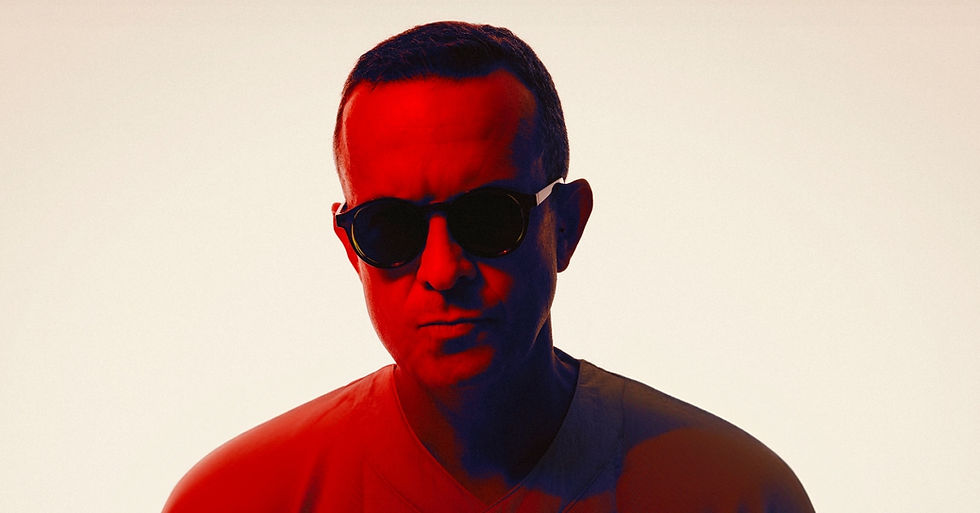
Few artists embody the enduring spirit of house music quite like David Penn. Across more than three decades, the Spanish DJ and producer has moved through changing scenes, formats and trends without losing the musicality that first pulled him towards the genre. From the crossover success of Kadoc’s ‘The Night Train’ to becoming Beatport’s number one House artist of all time (source: BeatStats), his story is one of constant evolution built around a remarkably consistent emotional core.
His latest single, ‘Satisfy My Soul’, brings many of those threads together. Released through his own Urbana Recordings imprint, the track combines a classic M1 organ, 90s-inspired drums and a sample rediscovered deep within his personal library. It feels contemporary, but unmistakably connected to the records and influences that first shaped him.
Long before house music entered the picture, Penn was already certain that music would become part of his life. He began studying piano and learning how to write music at nine years old, developing an understanding of melody and harmony before discovering electronic music through clubs.
“I was starting to go out, listening to house music and acid house, and I really liked it,” he recalls. “Especially classic house with melodies, harmonies and organic vibes. I already knew that I wanted to work in music, but I hadn’t thought about electronic music until that moment.”
That attraction to musical house did not emerge from nowhere. His earliest listening was shaped by the records playing at home, where his father introduced him to a wide spectrum of American funk, soul and disco. Stevie Wonder, Earth, Wind & Fire and Michael Jackson became foundational influences, teaching him the power of groove, songwriting and emotional immediacy.
As the 1980s progressed, his listening expanded towards Depeche Mode, The Cure, Frankie Knuckles, Todd Terry and Masters At Work, before artists such as David Morales and Roger Sanchez further defined his understanding of what house music could become.

There was no single record or club night that convinced Penn to pursue music seriously. That certainty had already arrived during his first year at classical music school. What followed was a long period of experimentation, with the 1990s allowing him to explore house, techno and pop under different names while gradually discovering what felt most authentic.
“For me, it was a learning period,” he says. “When I did Kadoc’s ‘The Night Train’ with two colleagues, it was faster and stronger, but it wasn’t specifically my sound.”
The record would go on to become a defining crossover hit, selling more than two million vinyl copies worldwide, but the identity now associated with David Penn began taking clearer shape in 1999. That was when he started releasing under his own name and leaning deeper into melodic house, pianos, harmonies and the musicality that had been present since childhood.
The evolution was not always straightforward. When EDM began dominating the global dance music landscape, traditional house found itself pushed into a more difficult position. For Penn, those years forced a period of reinvention without requiring him to abandon the qualities that made his music distinctive.
“There was less space for house music, and those were hard years for me,” he explains. “But at the same time, I forced myself to experiment with making something different while retaining my true essence.”
Rather than chasing the scale and excess of EDM directly, he sharpened his own productions. The drums became tougher, arrangements became more focused and every element had to justify its place.
“I simplified the instrumentation and only tried to include things that mattered in the track,” he says. “Clear hooks and more energy in general.”
That process also transformed his confidence. Early in his career, self-doubt often shaped the way he approached the studio, but the years spent adapting through difficult periods helped him trust his instincts.
“When I first started, I doubted myself a lot,” he says. “After the EDM phase, I gained more confidence in myself and my music because I realised that what I liked, the public also liked.”
Today, Penn remains more demanding than ever, but that scrutiny now exists alongside a much stronger understanding of who he is creatively. Compare his earliest records with ‘Satisfy My Soul’ and the progression is clear in the weight of the drums, the production quality and the energy. Yet the central ingredients have never really disappeared.
“Higher energy, stronger drums and a better sound,” he says. “But at the core of it, the essence is still the same.”
That continuity is what gives ‘Satisfy My Soul’ its impact. Built from a vintage sample that had sat unused for years, the track reconnects with the 90s through its organ sounds and rhythmic language while carrying the clarity and power of Penn’s current productions. It does not feel like a nostalgic recreation. Instead, it represents the way his origins continue to live inside everything he makes.
ICYMI:
Even after three decades, countless releases and performances across the world, Penn still speaks about music with the urgency of someone at the beginning of the journey.
“I need to make music,” he says. “It’s something that comes from my heart and I need to express it.”
That need remains more important than milestones, rankings or legacy. What matters is continuing to enjoy the process, finding new records inside the studio and taking them onto dancefloors.
“I always think that my best song is still in process,” he says. “And my best show is yet to come.”
Every artist's journey can be traced back to a handful of records. The tracks that first opened the door, the ones that shaped their creative identity, and the music that best represents where they stand today. For David Penn, those choices span more than three decades of house music while perfectly reflecting the musical thread that has connected his career from the very beginning.
The first record that made David Penn fall in love with electronic music:
The track that fundamentally shaped the way he thinks about making and playing house music:
The record that best captures where David Penn finds himself creatively today:
For David Penn, the journey from piano lessons to global house music mainstay has never really been about chasing trends or moments. It's been about following instinct, trusting musicality and staying true to the sound that first made him fall in love with dance music. Several decades on, that story is still being written.
David Penn
Spotify / Instagram / Facebook / Soundcloud / YouTube
Explore more Origins: Origins archive · All features


